
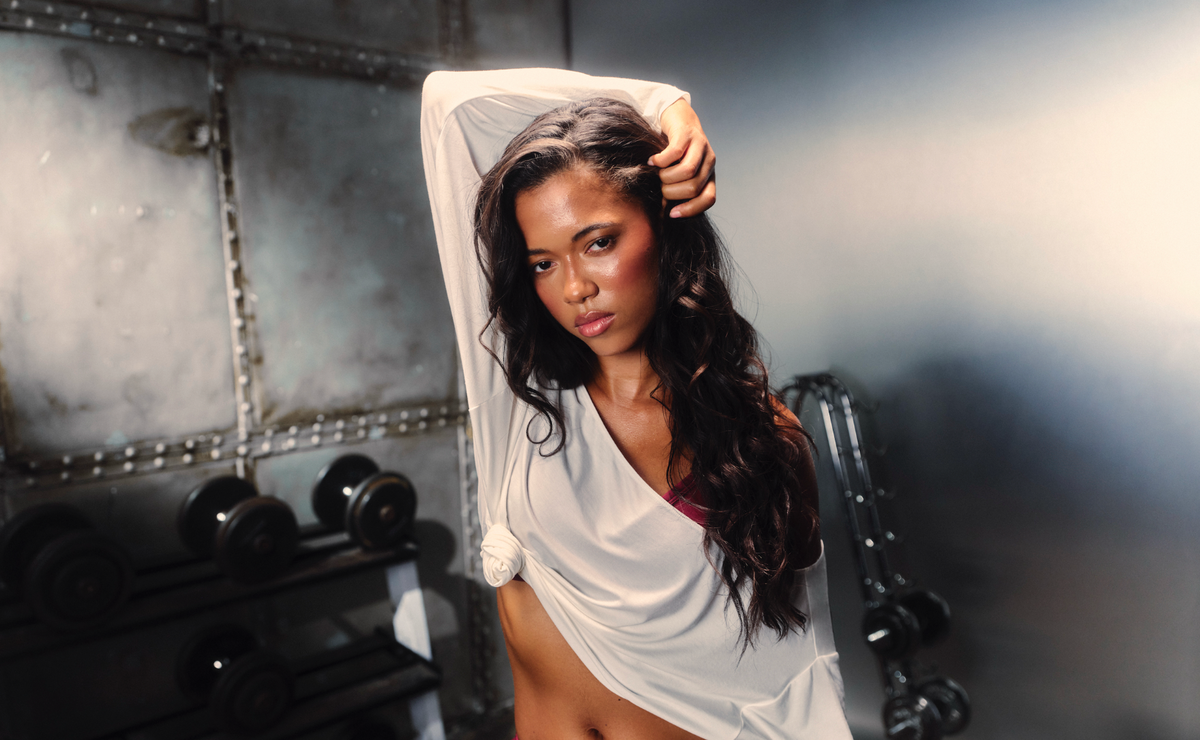


Fall gym outfits can be surprisingly difficult to get right. You leave the house at 48°F in a jacket, spend your first few minutes warming up, then find yourself sweating by your second set. On the way home, you're cold again.
Fall isn't one temperature. Sometimes it's three in the same hour.
So instead of simply telling you to “layer up,” here's how to actually dress for fall workouts. We'll cover what each layer should do, which fabrics work for different workouts, what to wear at different temperatures, and practical fall gym outfit ideas for women across the US.
Quick answer: what should you wear to the gym in fall? Start with a supportive sports bra or fitted tank and comfortable leggings or shorts. Add a fitted long sleeve or lightweight mid layer for the journey and warm-up, then keep a light jacket for colder commutes. The goal is simple: arrive warm enough, train comfortably, and have a layer ready for the journey home.
Short version: dress for the trip in, train in your base layer, and cover up again before you cool down.


Fall looks different depending on where you live in the US
A fall workout in Boston can require completely different clothing from one in Phoenix. Use your local climate alongside the temperature chart later in this guide.
| Climate | Where | What fall feels like | What to prioritize |
|---|---|---|---|
| Cold & crisp | Northeast, Midwest, Mountain West | Cold mornings and a noticeable chill as the season progresses | Light jacket, long sleeves and full-length leggings |
| Mild & damp | Pacific Northwest, Northern California | Cool, grey and often drizzly | Easy layers and a weather-resistant outer layer |
| Warm & humid | Southeast, Gulf Coast, Texas | Warm and humid well into fall | Lightweight base layers and removable outer layers |
| Hot & dry | Southwest, Southern California | Warm days with cooler mornings and evenings | A light layer for early sessions; shorts can still work midday |
The key is to dress for your actual conditions, not what “fall” looks like on a calendar.
Indoor gyms can also feel very different from the weather outside. You may arrive cold, warm up quickly once you start training, then feel chilly again when you leave.
The three-layer system for fall workouts
Each layer has a different job. Get those jobs right and you can move from the parking lot to your workout without carrying your entire wardrobe.
Layer 1: Base layer
This is the layer you actually train in.
Think of a sports bra, fitted tank or short-sleeve top paired with leggings or shorts. The most important things are a comfortable fit, enough support for your workout and bottoms that stay in place as you move.
For strength training, look for supportive, squat-proof leggings with a secure waistband. Browse THRIVIN's sports bras and leggings to build your base.
Layer 2: Mid layer
A fitted long sleeve top or lightweight quarter-zip is useful for the journey in and your warm-up.
The goal isn't to pile on heavy clothing. Choose something you can easily remove once your body temperature rises.
Wear it for your warm-up, take it off for your working sets if you no longer need it, then put it back on for your cooldown or journey home.
Layer 3: Outer layer
A lightweight jacket handles the cold, wind or rain outside.
You probably won't need it once you're inside the gym, so choose something easy to carry or leave in your gym bag.


The mistake most people make
They dress for how cold it feels when they leave home.
Ten minutes later, they're overheating and carrying a heavy layer around the gym.
Dress so you feel slightly cool when you start moving. Your body temperature will rise as your workout gets going. If you're heading outdoors, however, wind, rain and humidity can change how cold it feels, so use the conditions as well as the temperature.
What to wear for each type of fall workout
The best fall workout outfit depends on what you're actually doing. A strength session has different clothing needs from Pilates, while an outdoor run has to account for wind and changing temperatures.
| Workout | Base layer | Mid layer | Bottoms | Leave at home |
|---|---|---|---|---|
| Strength training & lifting | Medium-support sports bra or fitted top | Fitted long sleeve for warm-up | Supportive, squat-proof leggings | Oversized layers that can get in the way |
| HIIT & cardio classes | Higher-support sports bra | Usually none indoors after warm-up | High-waisted leggings or fitted shorts | Heavy layers that can make you overheat |
| Outdoor runs & walks | Sports bra plus fitted long sleeve | Light jacket in wind or rain | Full-length leggings or fitted shorts depending on temperature | Heavy cotton layers |
| Pilates & barre | Light-support bra or fitted top | Lightweight long sleeve or wrap | Lower-compression leggings or flares | Loose layers that interfere with movement |
| Hot yoga | Light-support bra or crop | None | Breathable leggings or shorts | Extra layers |
Strength training
For lifting, focus on a secure fit and enough stretch for movements such as squats, deadlifts and hip thrusts.
THRIVIN's Elevate™ range is designed around a more sculpted, high-compression feel, making it a natural option if you prefer more support from your training bottoms.
Outdoor runs and walks
Fall can be ideal for outdoor workouts, but the temperature can feel very different once you're moving.
Around the mid-50s°F and below, many people will prefer full-length leggings and a long sleeve rather than shorts. Wind and rain can make the same temperature feel considerably colder, so keep a lightweight jacket available.
Pilates and studio workouts
Lower-intensity workouts can feel cooler because you're not generating as much heat as you would during a high-intensity session.
For Pilates, barre and similar studio workouts, look for comfortable, lower-compression pieces that allow you to move between standing, stretching and floor work.
That's where Essence fits into the THRIVIN range. Its lower-compression, second-skin feel makes it suited to Pilates, studio sessions, walking and other lower-intensity activities.
What should women wear to the gym in fall?
For women, a practical fall gym outfit starts with the same principle: build around the workout, then add removable layers for the temperature.
For strength training, that could mean a supportive sports bra, fitted top and squat-proof leggings, with a long sleeve or lightweight jacket for the journey. For Pilates or lower-intensity sessions, a lower-compression set can work well. In warmer states, fitted shorts may still be the better choice even in fall.
You don't need a completely different wardrobe every time the season changes. A few versatile base pieces plus two or three layers can cover most fall workouts.
4 fall gym outfits that work
Fall gym outfits don't have to mean wearing head-to-toe seasonal colors. The easiest approach is to build around your workout, then add one or two autumn shades.
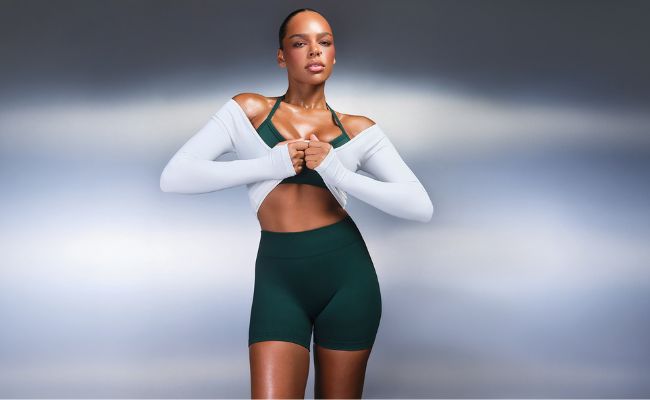
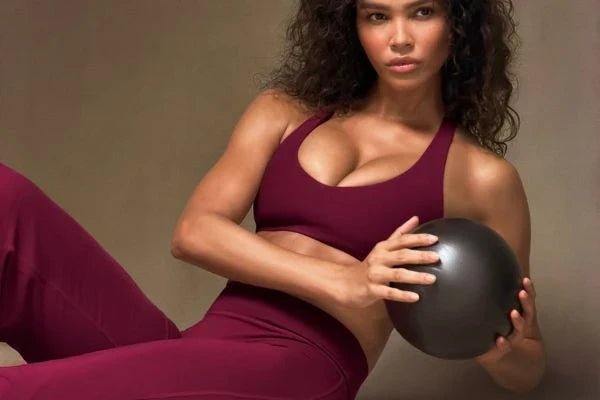
THRIVIN's current fall palette includes Pine Green, Cherry Berry, Coffee and Latte.
1. The early-morning strength session
-
Pine Green sports bra
-
Elevate™ Scrunch Leggings
-
Fitted long sleeve for the warm-up
-
Lightweight jacket for the journey
Why it works: Your training layers stay close to the body while the extra layers handle the colder commute. A matching set also makes getting dressed at 6 a.m. considerably easier.
Browse matching sets.
2. The tonal brown look
-
Coffee leggings
-
Latte long sleeve or fitted top
-
Clean white sneakers
-
Lightweight jacket for the journey
Why it works: Different shades of the same warm color create an easy tonal look that works for the gym and whatever comes afterward.
3. The studio flare
-
Cherry Berry sports bra
-
Black flare leggings
-
Lightweight long sleeve
Why it works: Flares give you a different silhouette while remaining fitted through the hips, making them an easy option for Pilates, studio sessions and post-class plans.
4. The outdoor workout
-
Supportive sports bra
-
Long sleeve top
-
Full-length leggings
-
Lightweight jacket
Why it works: You can remove the jacket as you warm up and put it back on when the temperature drops after your workout.
For more fall pieces in one place, shop the Autumn On Her collection.
Which fabrics work in cool weather?
Fabric matters more as temperatures drop. If your workout makes you sweat, damp clothing can feel noticeably colder once you stop moving.
The best choice depends on the activity, temperature and the way you like your activewear to feel.
| Fabric | Good for fall? | Why |
|---|---|---|
| Nylon-spandex | Yes | Durable, stretchy and commonly used in close-fitting activewear |
| Polyester-spandex | Yes | Lightweight, stretchy and commonly used for training pieces |
| Brushed or soft-touch knits | Yes, for lower-intensity sessions | Can provide a warmer feel for studio workouts and layering |
| Cotton | Better for casual layers | Comfortable, but can stay damp after a sweaty workout |
| Thick fleece | Better for outdoor use | Warm and useful for walks or cold commutes, but often too warm for training |
When choosing activewear, don't look at the fiber alone. The fabric construction, weight, stretch, fit and intended use all matter.
Not sure what an activewear term means? Our activewear glossary explains squat-proof, moisture-wicking, compression and more.
3 things to avoid in fall
-
A heavy cotton hoodie as your main training layer. It's useful for the journey, but can become hot and heavy once your workout gets going.
-
Leggings that become sheer under stretch. Lighter shades such as Latte can make opacity more noticeable, so check your leggings in good lighting before training.
-
Staying in damp workout clothes after your session. Have a dry layer ready for the journey home, particularly when temperatures are dropping.
What to wear at every fall temperature (°F)
Check the outdoor temperature before you leave and use the table below as a starting point.
For outdoor exercise, remember that wind, rain, humidity, sunlight and how hard you're exercising can make the same temperature feel very different. There isn't one perfect outfit for every person at a given temperature.
| Outdoor temp | Going to the gym | Working out outside |
|---|---|---|
| 70°F and up | Sports bra or tank, leggings or shorts | Tank or short sleeve, leggings or shorts depending on conditions |
| 60-69°F | Add a light long sleeve for the journey | Short sleeve or tank with leggings or shorts |
| 50-59°F | Long sleeve plus a light jacket | Long sleeve, full-length leggings; add a light jacket if windy |
| 40-49°F | Long sleeve, jacket and full-length leggings | Long sleeve, lightweight jacket, full-length leggings; consider light gloves |
| Below 40°F | Full layers with a warmer outer jacket | Multiple layers plus gloves and ear coverage as needed |
For running specifically, some people use a rule of thumb of dressing as though it feels around 10-20°F warmer once they're moving. Treat that as a starting point rather than a fixed formula, and adjust for wind, rain and your own comfort.


It's still warm where you are in October? Save this guide for November. The layers stay the same; only the temperatures change.
FAQ
What should I wear to the gym when it's cold outside?
Wear your normal training outfit, such as a sports bra and leggings, with a fitted long sleeve and light jacket over it. Take the layers off once you've warmed up and put them back on before leaving so you don't get chilled on the way home.
Should I wear leggings or shorts to the gym in fall?
Leggings are a versatile choice as temperatures drop, particularly for early mornings and colder climates. In warmer, humid states such as Florida or Texas, fitted shorts can still be comfortable indoors during fall. Keep a lightweight layer with you for cooler gyms or the journey home.
Is it OK to wear a hoodie to the gym?
Yes. A hoodie can work well for getting to the gym and warming up. If you find yourself overheating during your working sets, take it off. A fitted long sleeve can be a more practical mid layer if you want something lighter and easier to train in.
What color workout clothes are best for fall?
There isn't a single best color, but deeper shades such as Pine Green, berry and brown naturally fit the fall palette. If you choose lighter colors, pay particular attention to how opaque your leggings are under stretch and gym lighting.
What should I wear to work out outside in 50-degree weather?
A long sleeve top, full-length leggings and a supportive sports bra are a good starting point. Add a lightweight jacket if it's windy or wet. If you're doing a higher-intensity workout, you may warm up quickly, so choose layers you can remove easily.
How do I stop getting cold after a fall workout?
Have a dry layer ready for the end of your workout and put it on soon after finishing. Damp clothing can feel much colder once you stop moving, particularly when the outdoor temperature is low.
Build your fall gym wardrobe
You don't need a completely new wardrobe for fall.
Start with three things: a base you can train in, a lightweight layer for warming up, and a jacket for the journey. Add shorts or full-length bottoms depending on your climate and workout, and you can adapt the same pieces from warmer October days to colder November mornings.
Shop the Autumn On Her collection, or start with long sleeve tops and leggings. Not sure of your size? Check the size guide before ordering.


